
Event Report: Weather Marketing Seminars Held Across 11 Universities in the Asia-Pacific Region
※日本語記事はこちら: [https://www.wxbunka.com/news/news-2628/]
In 2026, our foundation launched its inaugural "Weather Marketing Seminar" series across universities in the Asia-Pacific region. The initiative aimed to enhance weather literacy and demonstrate practical business and analytical applications of meteorological data among the next generation of professionals.
Spanning six countries and regions—Vietnam, Thailand, the Philippines, Indonesia, Taiwan, and South Korea—the 11-session lecture series engaged roughly 770 attendees in total, including undergraduate and graduate students, faculty members, researchers, and local private-sector meteorological professionals.
By bridging weather intelligence with marketing and decision-making frameworks, the program generated strong regional engagement. Each session was tailored to local academic and community contexts, featuring student-led operations, AI-focused analytics, and collaborative sessions with local startups.
Session Details & Highlights
| No. | Date | Country / Region | Host Institution | Participants | Highlights & Local Impact |
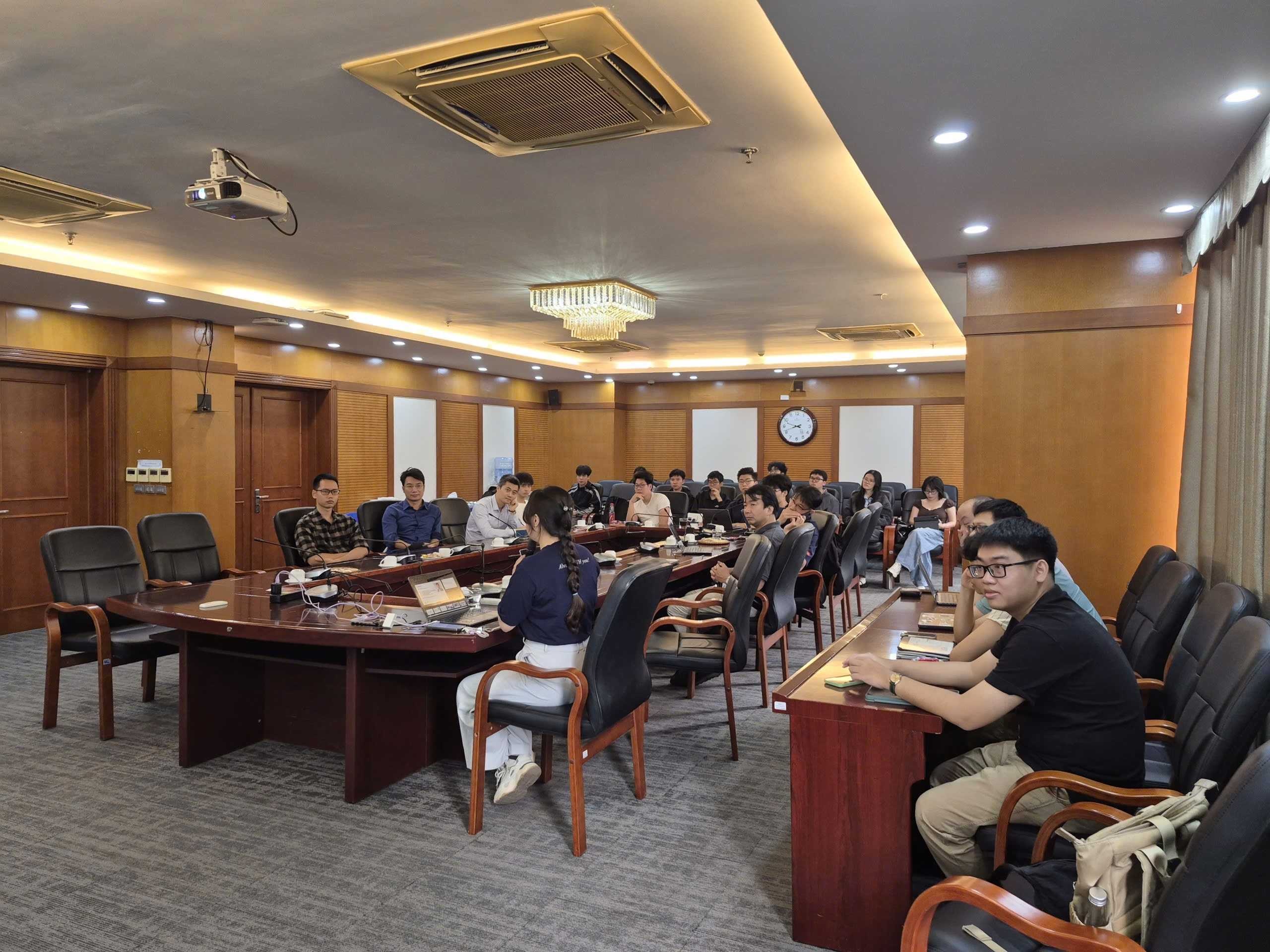
| 1 | 20 March | Vietnam | University of Science and Technology of Hanoi (USTH) | Approx. 30 | The inaugural seminar was fully planned and organized by student leaders.
|
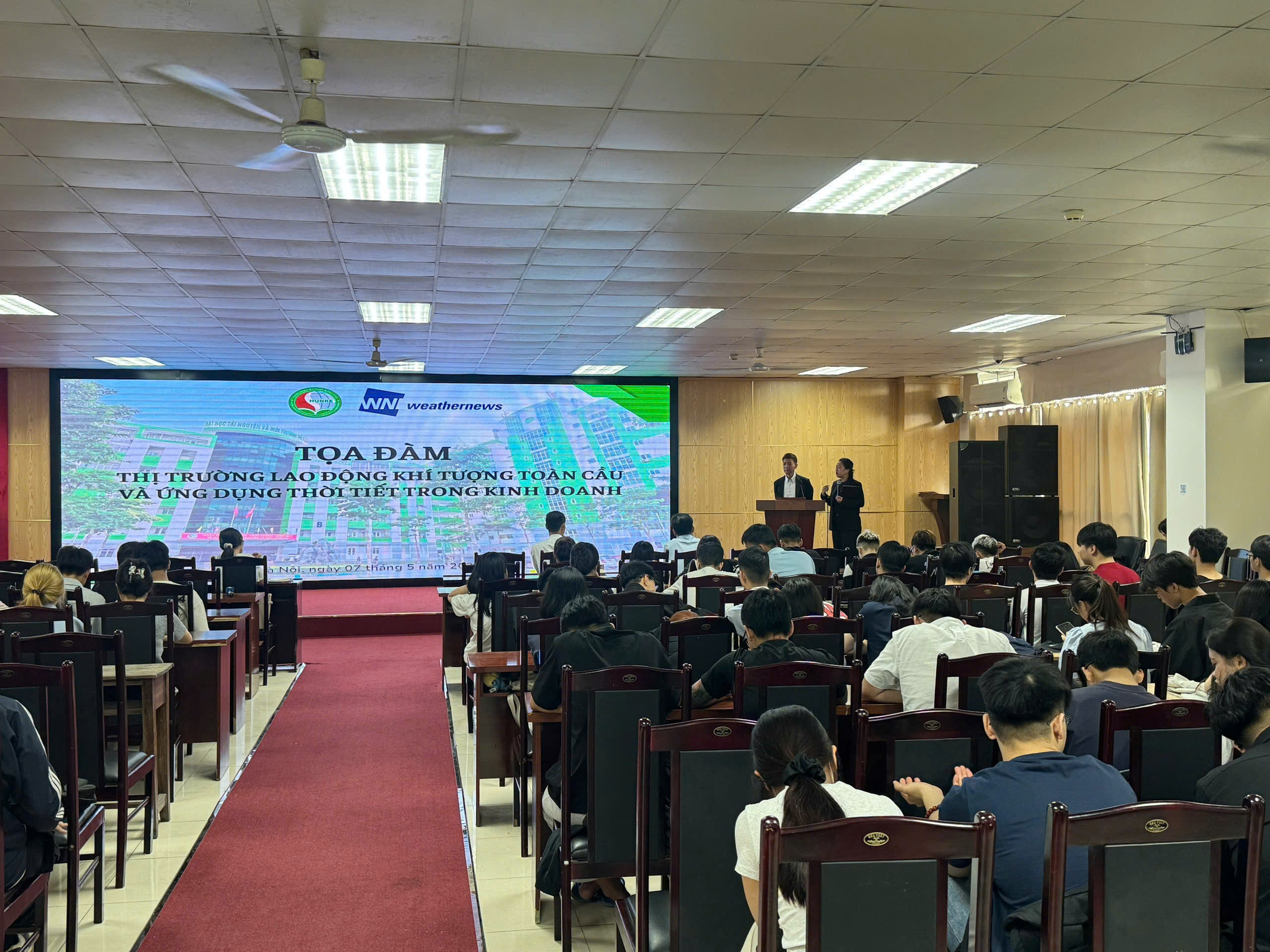
| 2 | 7 May | Vietnam | Hanoi University of Natural Resources and Environment (HUNRE) | Approx. 200 | Widespread faculty promotion led to exceptional student turnout.
|
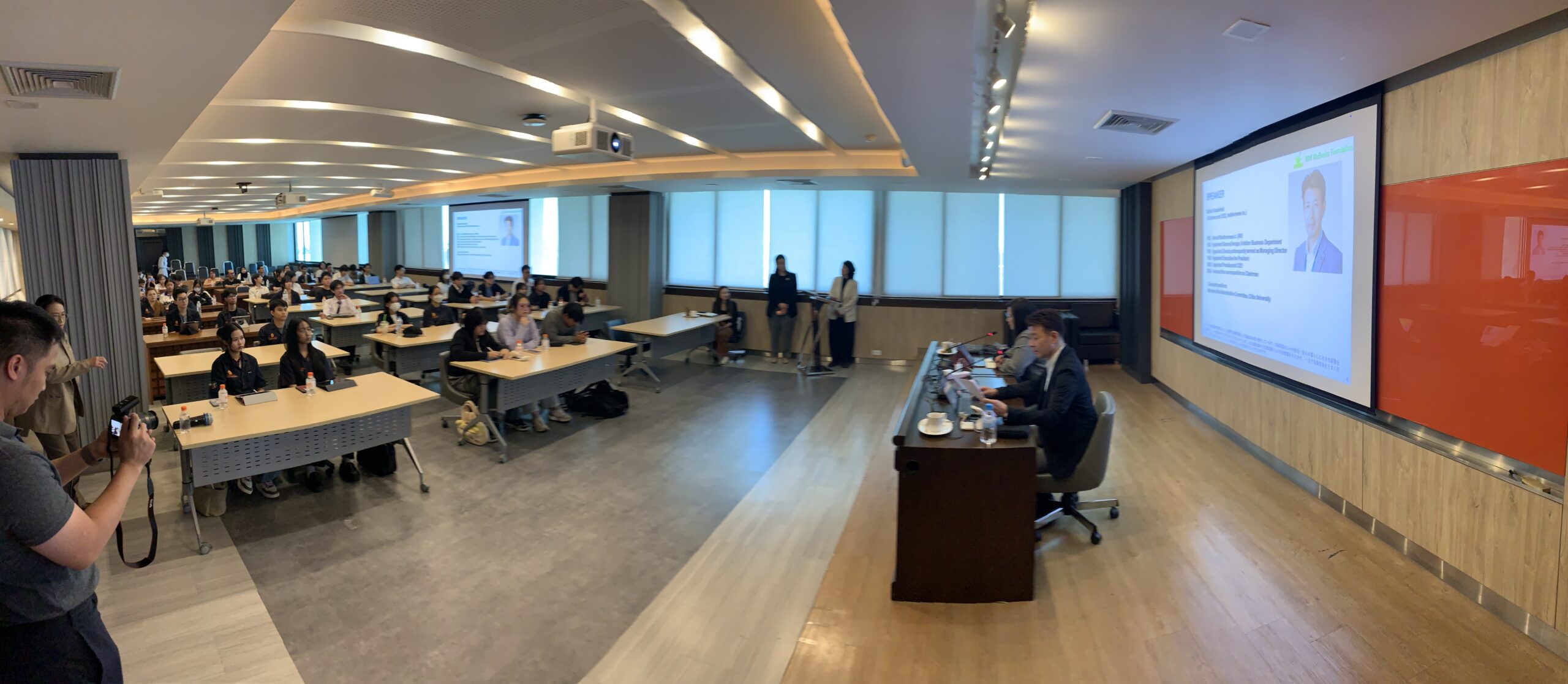
| 3 | 20 July | Thailand | King Mongkut's Institute of Technology Ladkrabang (KMITL) | Approx. 100 | Integrated AI-driven weather analysis, drawing strong positive feedback from engineering students.
|
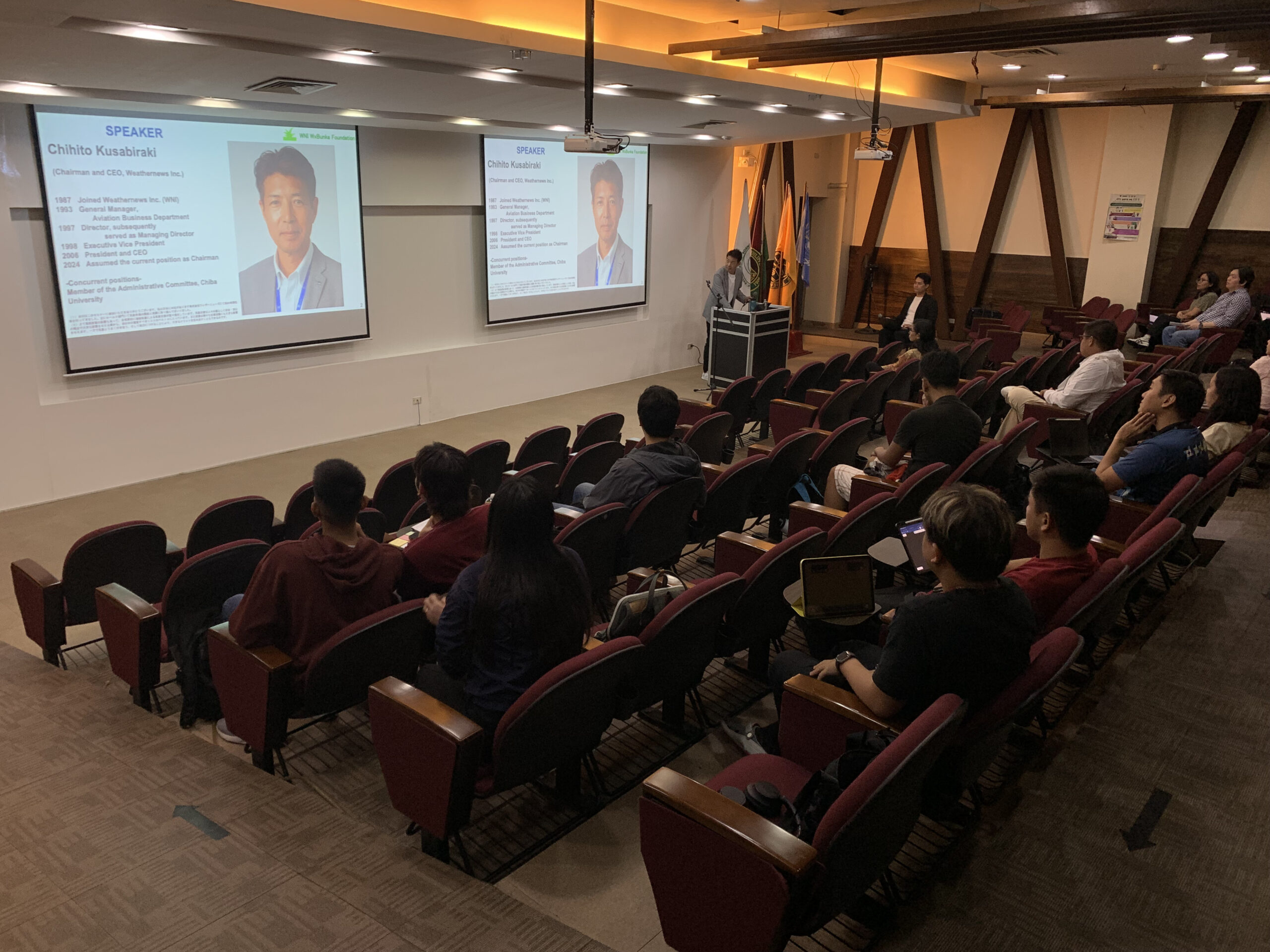
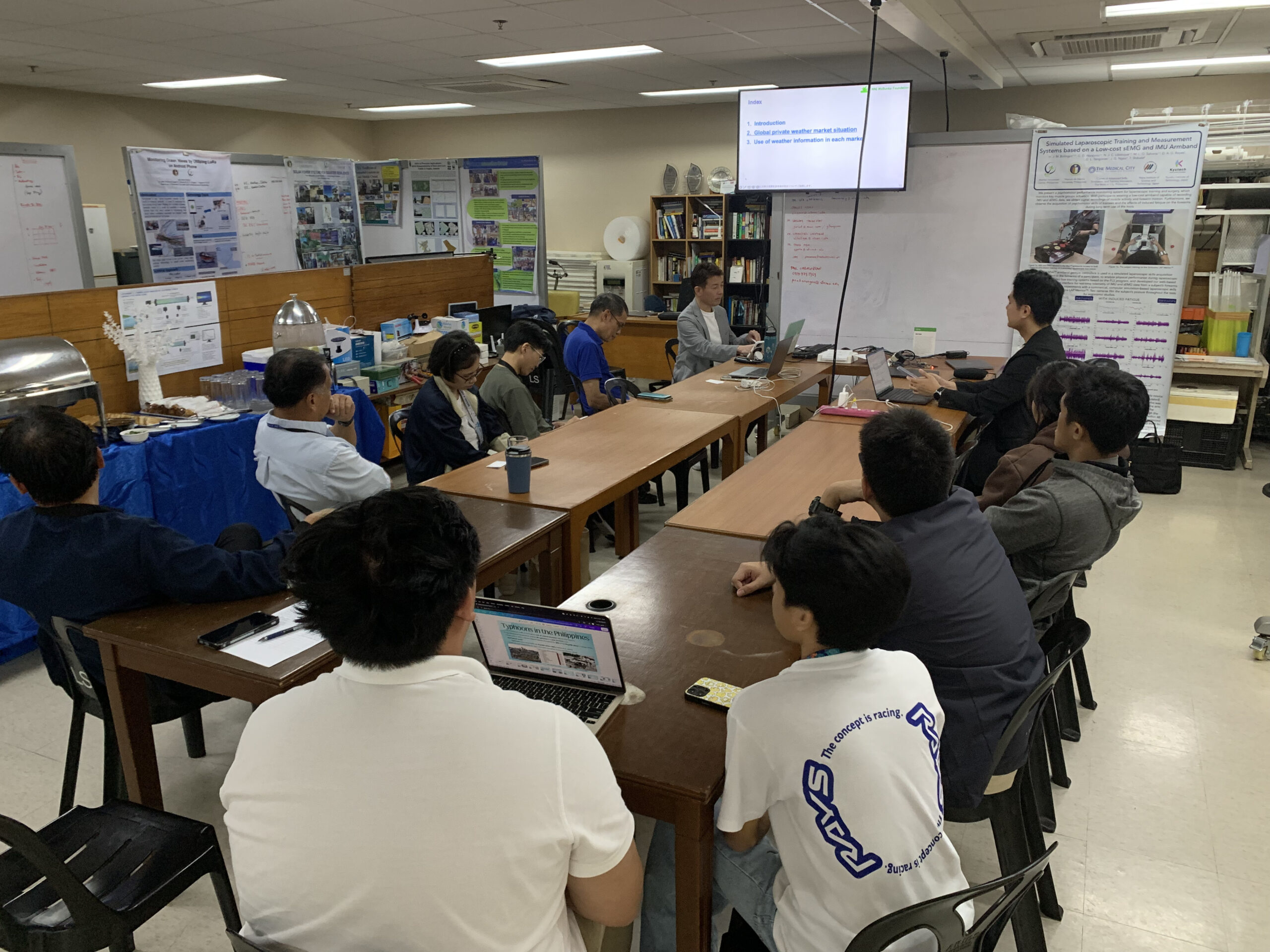
| 4 | 29 July (AM) | Philippines | University of the Philippines Diliman (UP IESM) | Approx. 50 | The foundation's first event in the Philippines, conducted with natural Taglish elements to foster an engaging atmosphere.
|
| 5 | 29 July (PM) | Philippines | Ateneo de Manila University (AdMU) | Approx. 15 | An interactive session featuring student research presentations and focused discussions.
|
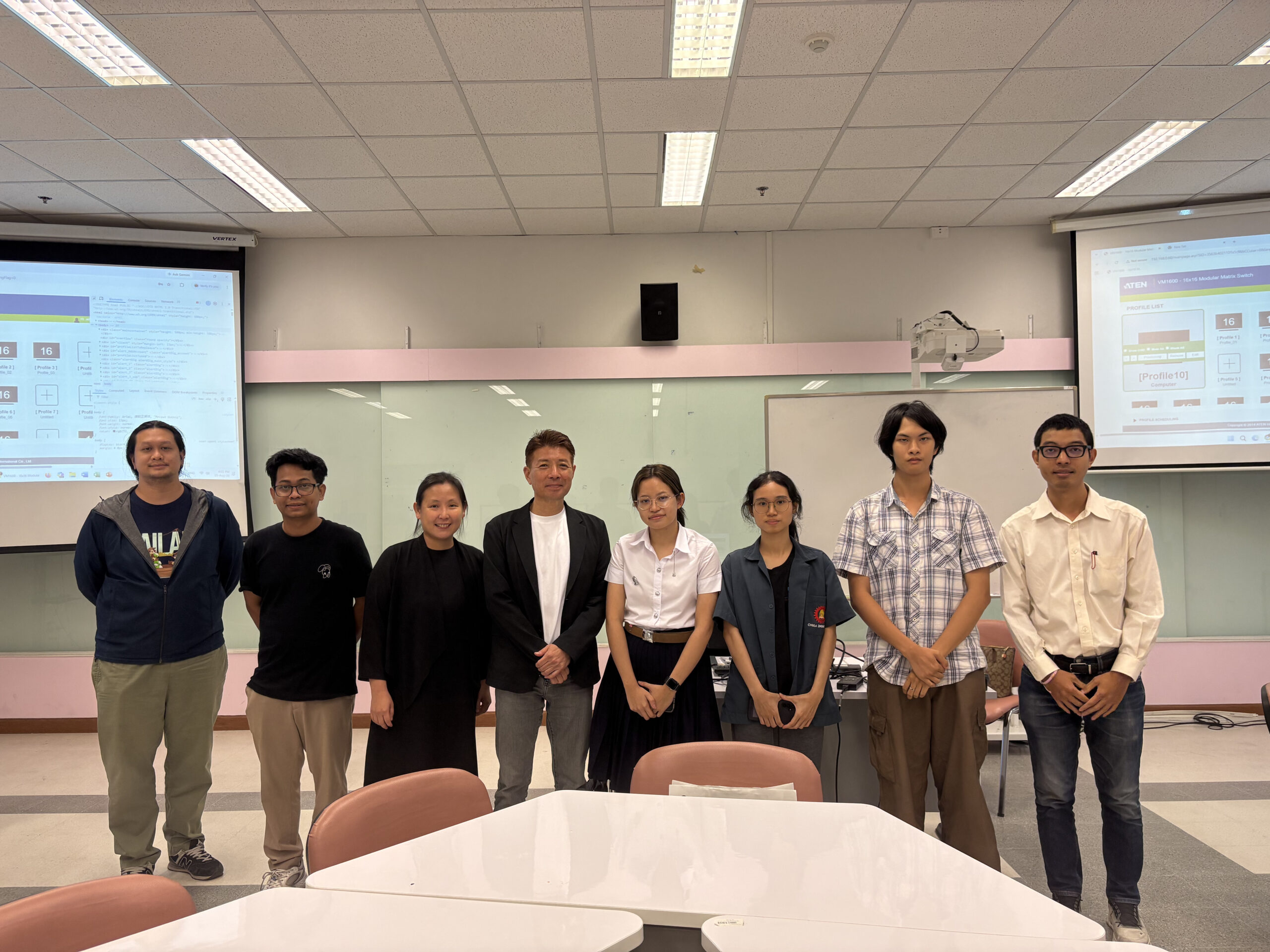
| 6 | 10 August | Thailand | Chulalongkorn University (CU) | Approx. 30 | Conducted bilingually in English and Thai to accommodate both local and international students.
|
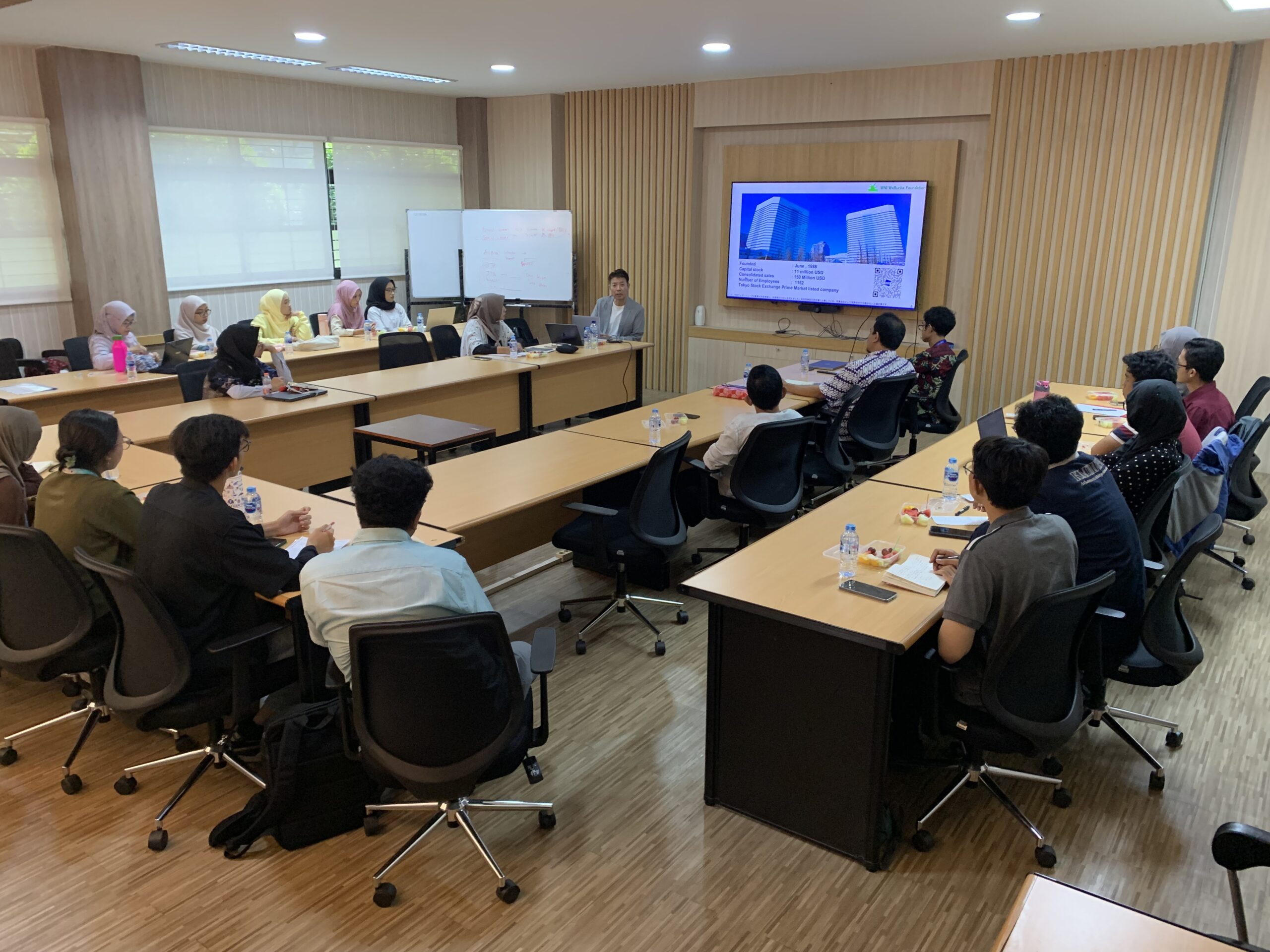
| 7 | 31 August | Indonesia | IPB University (Bogor Agricultural University) | Approx. 30 | Organized on short notice, yet met with intense curiosity regarding agricultural and climate data integration.
|
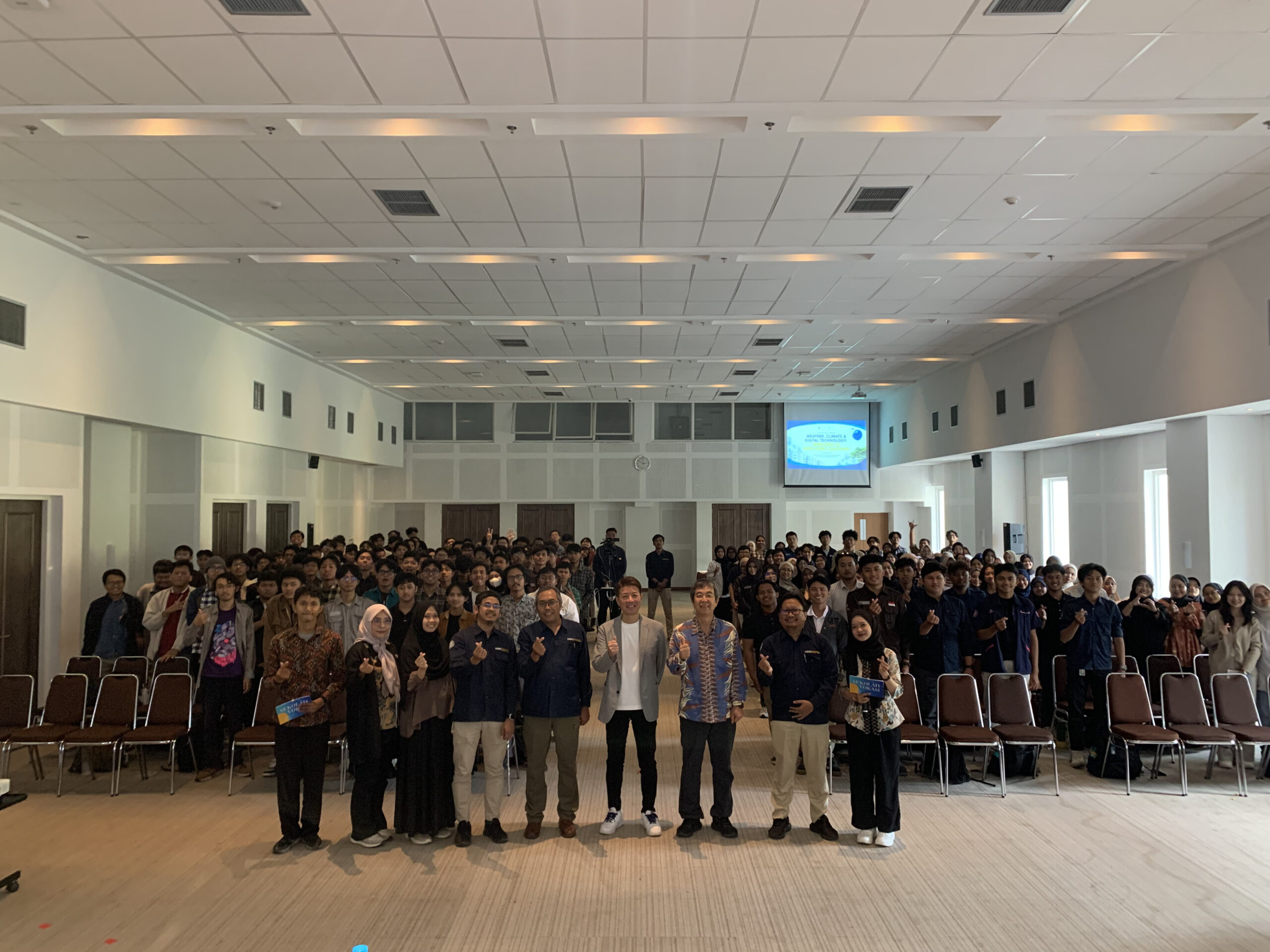
| 8 | 2 September | Indonesia | Universitas Gadjah Mada (UGM) | Approx. 250 | Recorded the largest attendance of the series, marked by high engagement and lively Q&A.
|
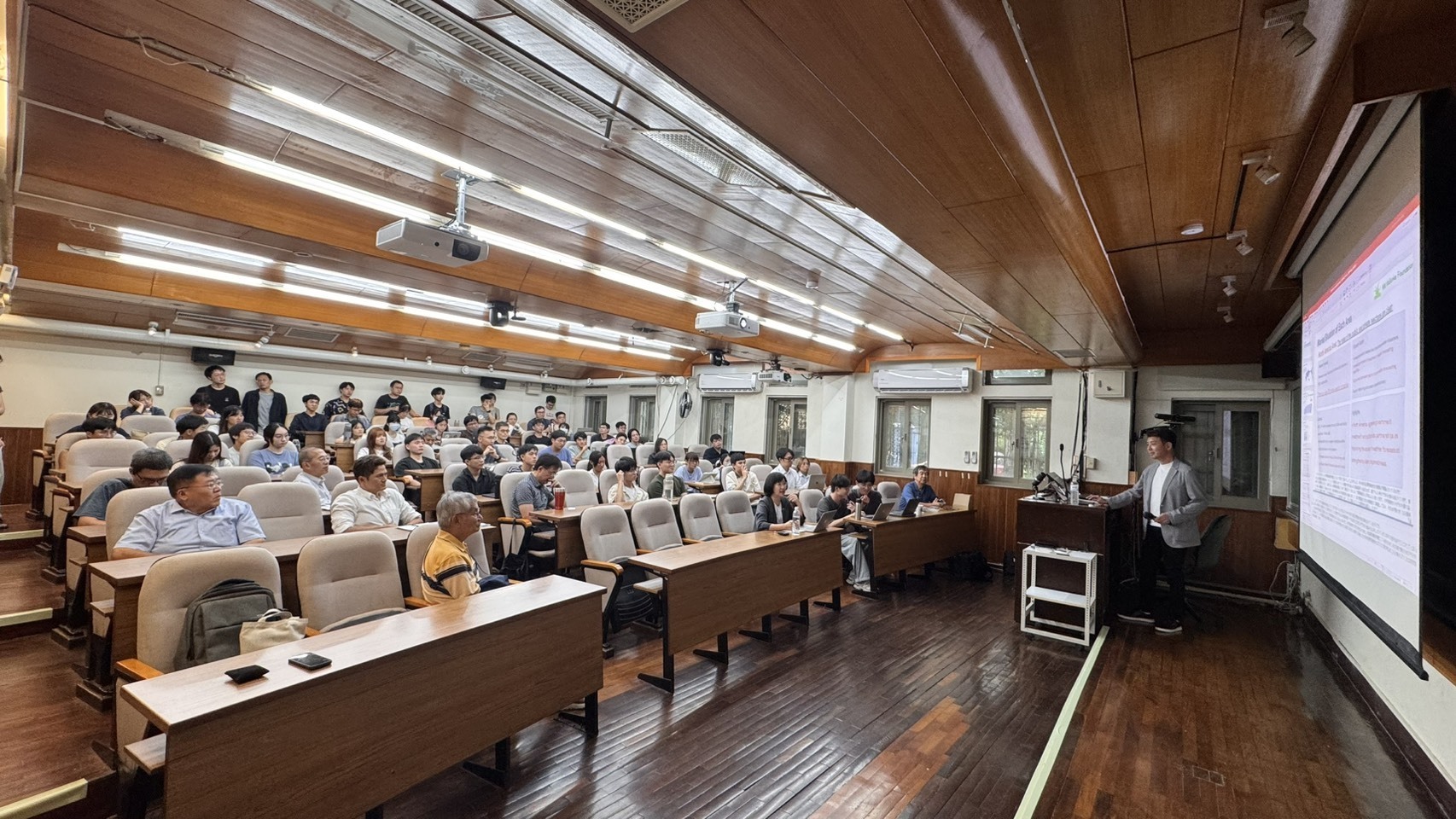
| 9 | 7 September | Taiwan | National Taiwan University (NTU) | Approx. 40 | Attended by university students and local private weather service providers interested in Japan's commercial weather market model.
|
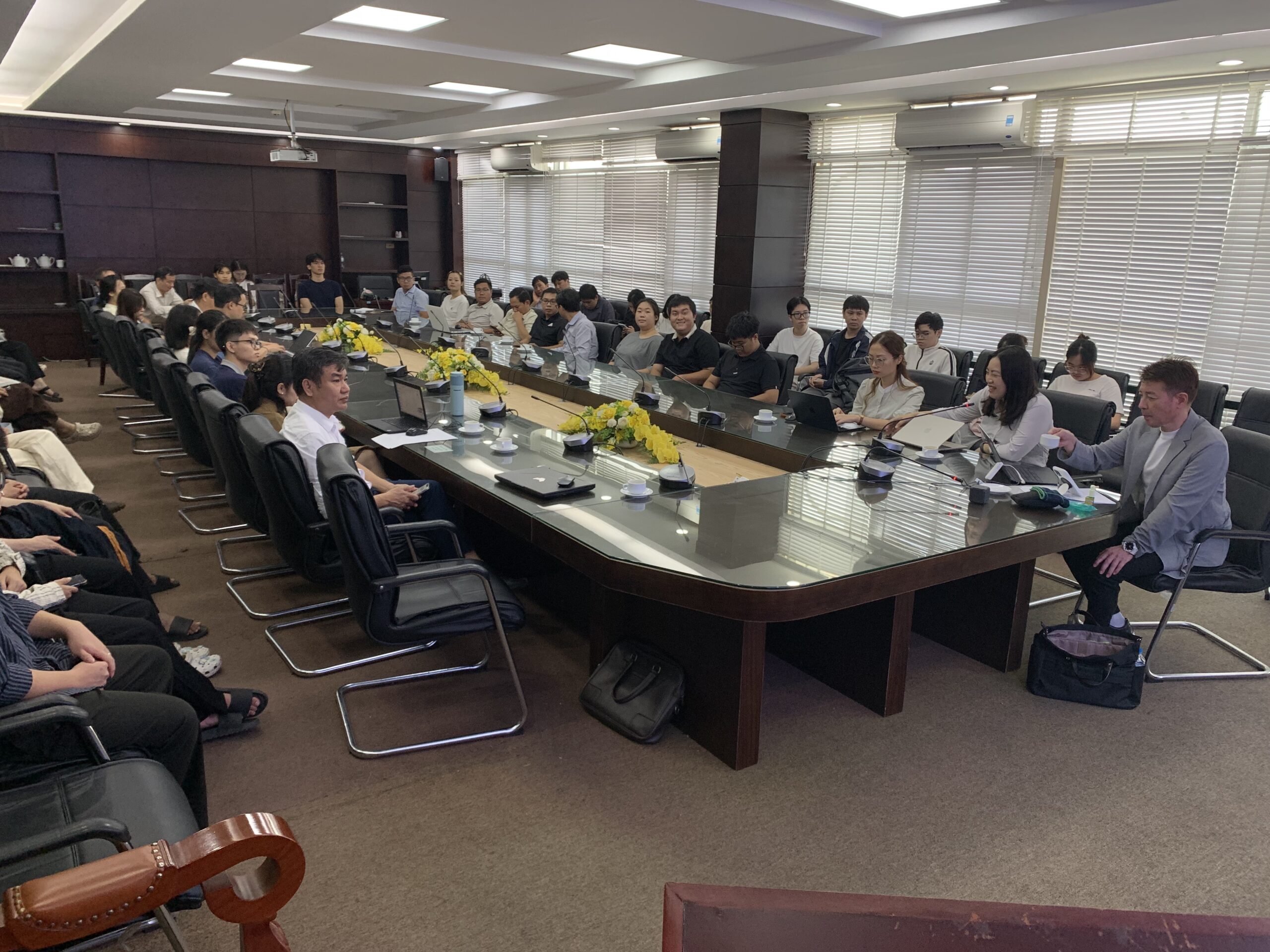
| 10 | 30 September | Vietnam | Hanoi University of Natural Resources and Environment (HUNRE) | Approx. 25 | The second visit of the year to HUNRE, geared toward welcoming and orienting incoming first-year students.
|
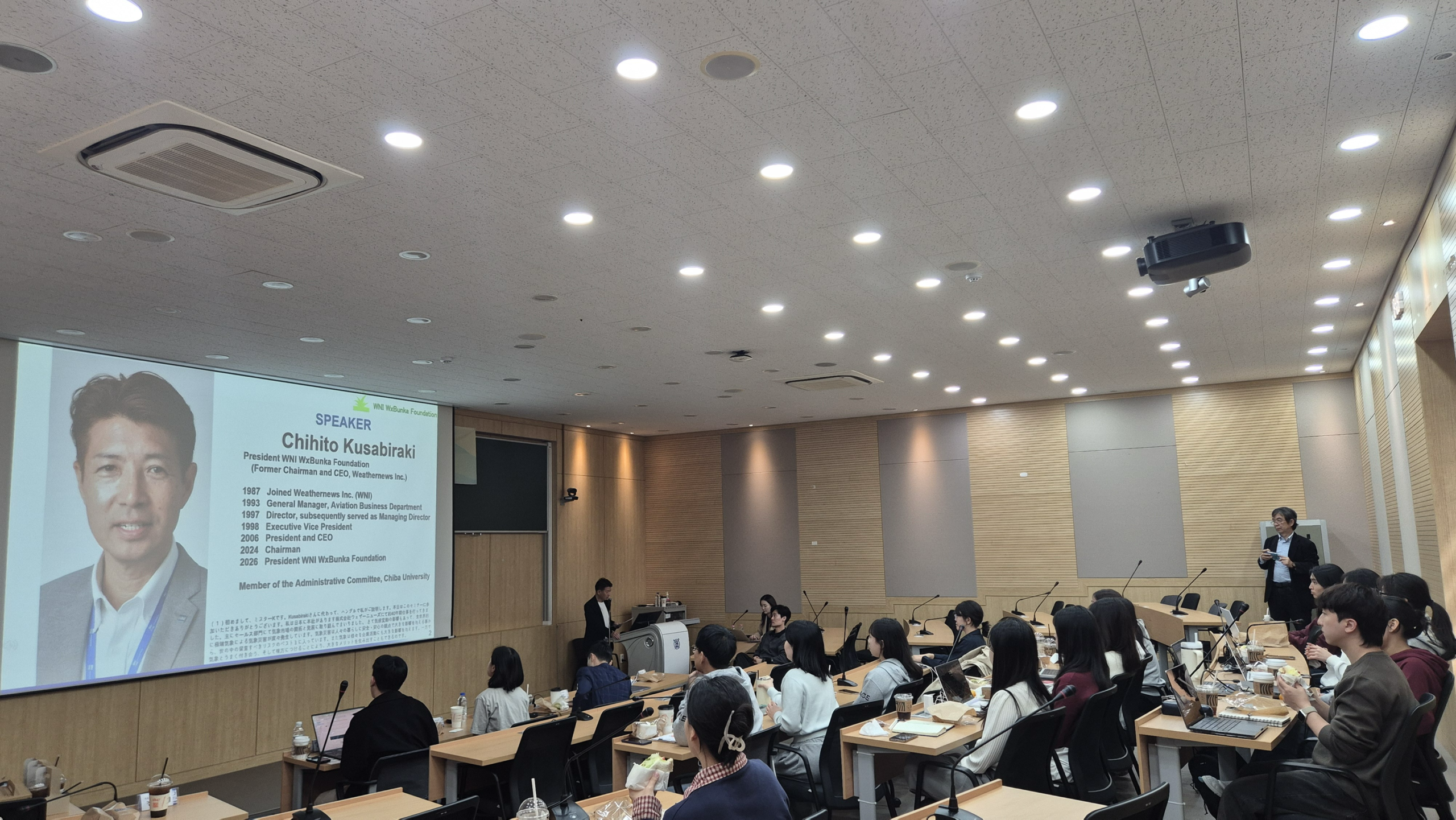
| 11 | 19 October | South Korea | Seoul National University (SNU) | Approx. 50 | Held in partnership with local energy startups and clean-tech specialists. |
Photo Highlights
| 1. 20 March | USTH | 2. 7 May | HUNRE | 3. 20 July | KMITL |
 |
 |
 |
|
4. 29 July | UP IESM |
5. 29 July | AdMU |
6. 10 August | CU |
 |
 |
 |
|
7. 31 August | IPB |
8. 2 September | UGM |
9. 7 September | NTU |
 |
 |
 |
|
10. 30 September | HUNRE |
11. 19 October | SNU |
|
 |
 |
Reflections & Future Outlook
This seminar tour highlighted a surge of regional interest in how weather intelligence impacts key economic sectors—ranging from renewable energy and agriculture to disaster mitigation and retail operations.
By sharing case studies from Japan's commercial weather sector and adopting flexible delivery methods—such as bilingual instruction and local academic partnerships—the foundation successfully built foundational connections with educational and industrial institutions across the Asia-Pacific.
We remain committed to supporting meteorological literacy and fostering global talent through ongoing cross-border academic initiatives.
We extend our sincere gratitude to the faculty, staff, and students of all participating institutions, as well as to our collaborating partners, whose support made this program possible.